
Blog › Come, Follow Me Daily Inspiration
September 1, 2026
In Psalms 116 and 118, we read beautiful examples of God's everlasting love and how that love inspires us to enter into a sacred covenant relationship with Him and worship in the temple.
In Psalms 116 and 118, we read beautiful examples of God's everlasting love and how that love inspires us to enter into a sacred covenant relationship with Him and worship in the temple.
Focusing on the theme of His love first, 116:8 stood out to me: "For thou hast delivered my soul from death, mine eyes from tears, and my feet from falling".
We talk a lot about our Savior delivering us from physical and spiritual death, and rightfully so, as His atoning sacrifice and victory over death is the greatest feat ever accomplished, and the most selfless act of love ever performed. But it doesn't stop there. He delivers us from death, and then He delivers our eyes from tears. We don't just live forever because of Him, but He erases our sorrows, He removes the things that make us fall and stumble. His love extends far past giving us immortality, He gives us everlasting joy. I find the line "He delivered mine eyes from tears" to be so beautiful.
The first four verses and the very last verse of 118 end with "for his mercy endureth for ever". In a recent conference talk, Elder David A. Bednar pointed out that enduring is inseparably connected, and even synonymous, to charity, which is the pure love of Christ. Taking Elder Bednar's words and applying them to these verses, I see in one Psalm, repeated 5 times, that my Savior's pure love lasts forever and knows no limits. Is that not something to be grateful for? How can I not stand all amazed at the love Jesus offers me - for it is endless.
Now, what do we do to show our gratitude for His love? How do we love our Savior in return? The scriptures give examples - "if ye love me, keep my commandments" (John 14:15), and "Inasmuch as ye have done it unto one of the least of these my brethren, ye have done it unto me" (Matthew 25:40).
We keep His commandments and serve others most by entering a covenant relationship with our Savior and helping others do the same. The majority of this work is done in the temple, and we see that in these Psalms.
In 116:12-14, we read the question above - what can I give the Lord for all He has done for me? Followed by the answer: "I will take the cup of salvation, and call upon the name of the Lord", a clear reference to the sacrament and baptismal covenants, and "I will pay my vows unto the Lord now in the presence of all his people", where do we make sacred promises and vows (covenants) with the Lord in the presence of these witnesses?
Jumping back to 118 we read, "The voice of rejoicing and salvation is in the tabernacles of the righteous: the right hand of the Lord doeth valiantly". Another reference to the temple, and the power of salvation and the hand of the Lord, that is seen in His holy house.
Aside from these two themes (charity and temple convenants), but deeply related to both is the verse right before this one - Psalm 118:14 - "The Lord is my strength and song, and is become my salvation". Isaiah 12:2 quotes these words exactly, and that is where I first noticed that the original Hebrew word used here for "salvation" is yeshuah. Think about that for a minute. The Lord (Jehovah) has become yeshuah (the Hebrew name that translates into Jesus). Jehovah descended into a mortal tabernacle and became both Jesus and our salvation. I love the beautiful double translation that we get from this verse.
More like this
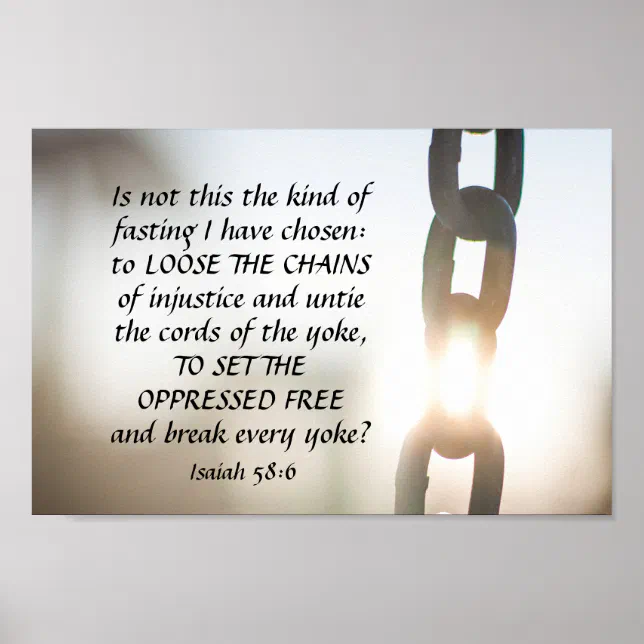
The Power of Fasting (Isaiah 58)
We each have an opportunity to fast at least once a month, but how often do we ponder why we fast and what that fast should look like?
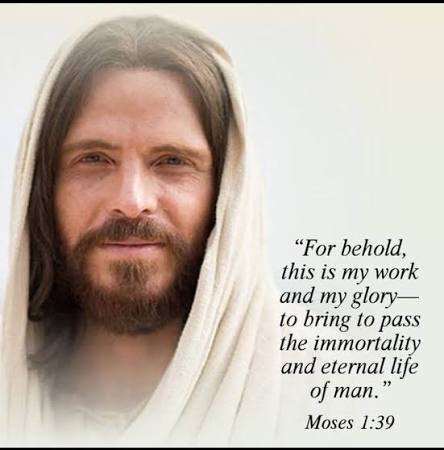
My Work and My Glory (Isaiah 43)
Did you know that Moses 1:39 is the most quoted scripture in General Conference?
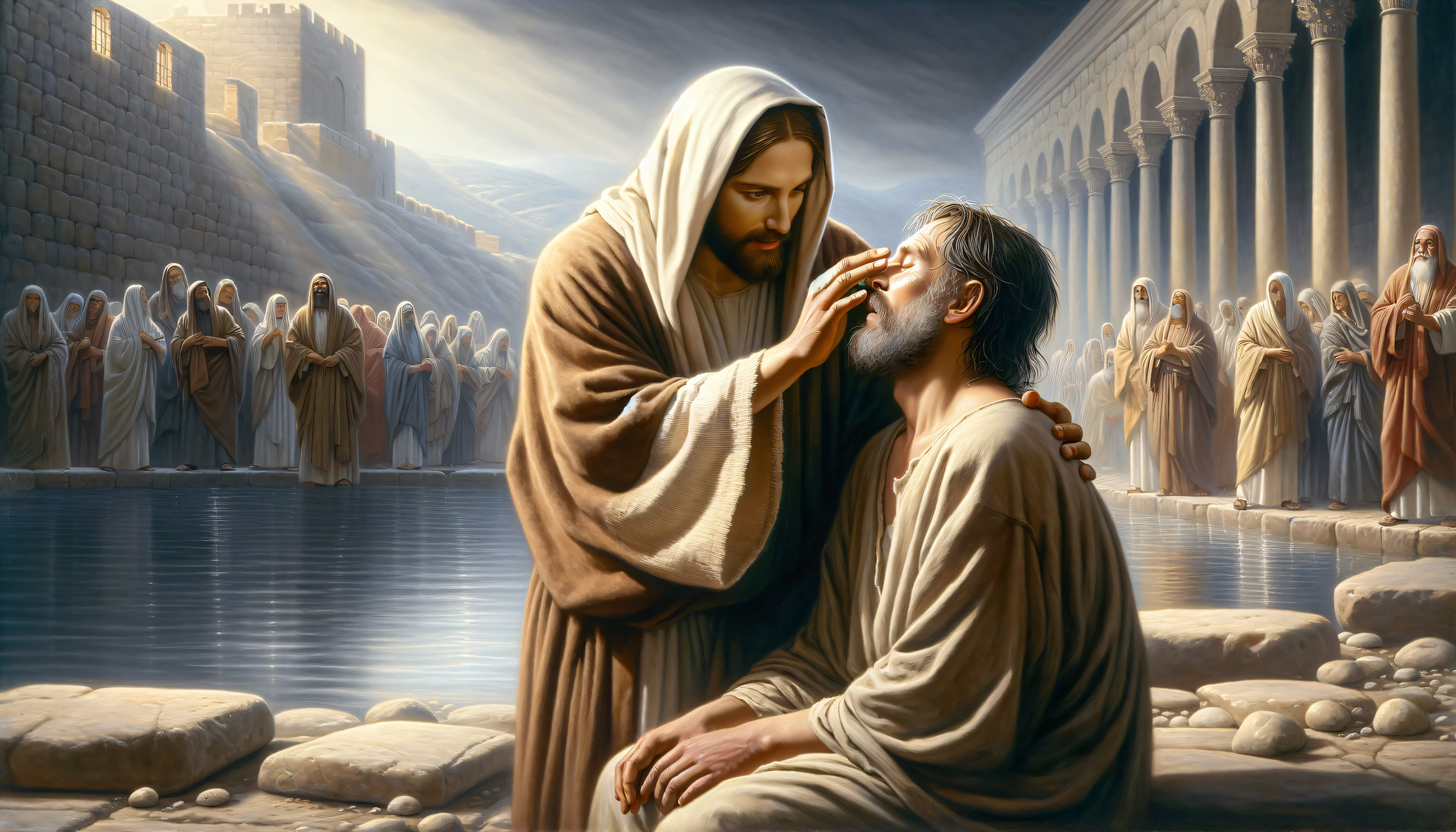
A Wonderful Savior (Isaiah 42)
Isaiah 42:3 — A bruised reed shall he not break, and the smoking flax shall he not quench: he shall bring forth judgment unto truth.