
Blog › Come, Follow Me Daily Inspiration
July 23, 2026
to place (oneself) in position to start running in a race to place with care or deliberate purpose and with relative stability
2 Chronicles 20, when the Ammonites are coming to attack Judah, we read that Jehoshaphat "set himself to seek the Lord". The word "set" is versatile with multiple meanings, many adding valuable context to this verse.
to place (oneself) in position to start running in a race
to place with care or deliberate purpose and with relative stability
to direct with fixed attention
to adjust (a device and especially a measuring device) to a desired position
to put in order for use
to cause to become firm or solid
These are only a few of the 40+ definitions Webster has for "set", each adding a slightly different, but accurate angle on Jehoshaphat's action.
As part of his initiative to "find the Lord", Jehoshaphat called a nationwide fast and then went to the temple to address the people. Remember, they are seeking the Lord, and where better to find someone than in their house? "For thy name is in this house".
Jehoshaphat then gives a beautiful prayer to the Lord and ends with verse 12 "O our God, wilt thou not judge them? for we have no might against this great company that cometh against us; neither know we what to do: but our eyes are upon thee."
Because of the actions taken to find the Lord (setting, fasting, going to the temple, and praying) the Spirit of the Lord feel upon one of the Levites who prophesied that the Lord would spare them. Then, to reinforce the people's faith in the prophesy, Jehoshaphat declared "Believe in the Lord your God, so shall ye be established; believe his prophets, so shall ye prosper". What a fantastic admonition to A) trust the Lord, and B) trust the prophet, who speaks for the Lord.
What happens next? The invaders fight among themselves and are all killed - the Lord kept His word.
After this miracle, they didn't wait until they were home to give thanks, they blessed the name of the Lord in a valley that became known as Berachah, which stems from the Hebrew root Barak, meaning "to kneel," symbolizing the exchange of divine favor and the recognition of God as the source of all gifts.
After they returned home where did they go? Straight to the temple to praise and worship God.
We must apply the scriptures to ourselves. This chapter outlines a perfect pattern of seeking the Lord, fasting, prayer, temple attendance, listening to the prophet, trusting the Lord, and giving thanks. As we follow this pattern, the Lord will bless us. He will fight the battles we cannot if we but keep our eyes on Him.
More like this
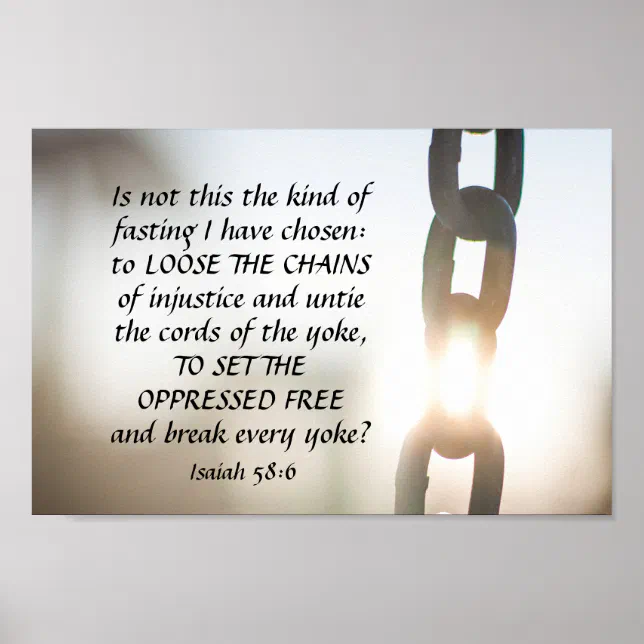
The Power of Fasting (Isaiah 58)
We each have an opportunity to fast at least once a month, but how often do we ponder why we fast and what that fast should look like?
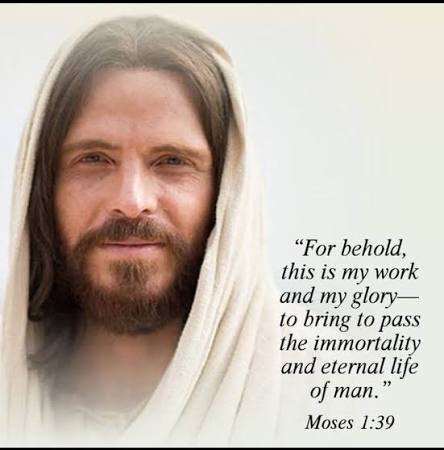
My Work and My Glory (Isaiah 43)
Did you know that Moses 1:39 is the most quoted scripture in General Conference?
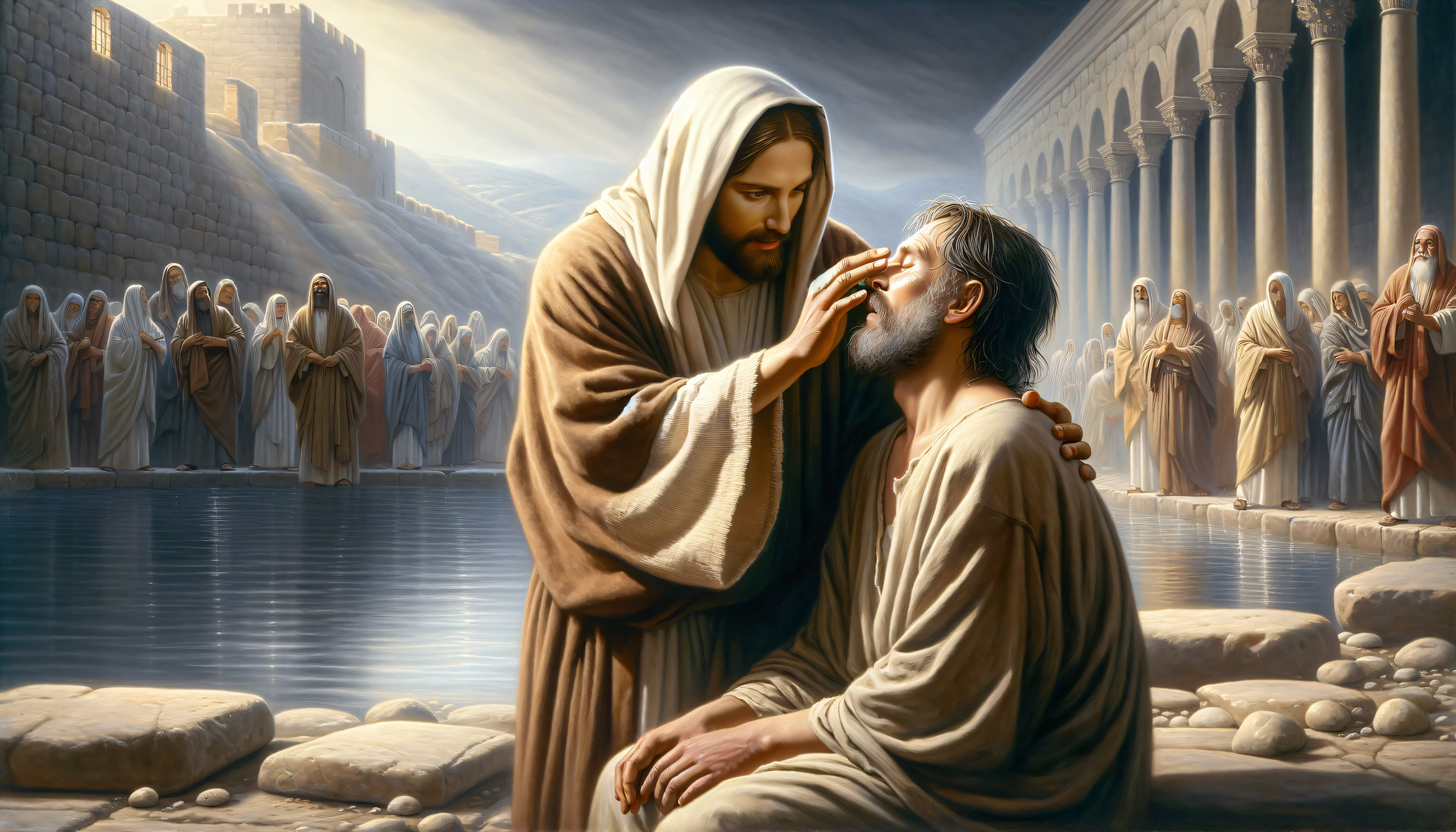
A Wonderful Savior (Isaiah 42)
Isaiah 42:3 — A bruised reed shall he not break, and the smoking flax shall he not quench: he shall bring forth judgment unto truth.