
Blog › Come, Follow Me Daily Inspiration
May 19, 2026
We must be kind to people even if they are unkind to us. Even if they hurt us deeply, we cannot say that we follow the commandment to forgive if we are not kind.
We must be kind to people even if they are unkind to us. Even if they hurt us deeply, we cannot say that we follow the commandment to forgive if we are not kind. Being unkind to others because they treat us poorly goes against what Christ taught through word and action. Yes, it hurts when people are unkind to you, even moreso when they are someone close to you that should love you. But mimicking their sin in retribution is never justified. Your Savior is their Savior, too. He paid for their sins; do not make the mistake of saying He did not pay enough.
Last night we were reading 1 Nephi 18 and the end of verse 15 says that "they came unto me, and loosed the bands which were upon my wrists, and behold they had swollen exceedingly; and also mine ankles were much swollen, and great was the soreness thereof."
I immediately wondered why Nephi included the comments about being swollen and sore. There has to be a reason for him to explicitly record those words, especially given the fact that he wrote them on gold plates which was tedious with limited space.
When we are reading it watching a movie and someone asks me a question, I have a habit of saying read the next line, or just wait and see. In this case, I needed my own advice. For the very next verse says "Nevertheless, I did look unto my God, and I did praise him all the day long; and I did not murmur against the Lord because of mine afflictions."
The message is clear. Neighbor included those words to show us that even in the midst of pain and severe discomfort, we should not murmur against the Lord because of our afflictions, but praise Him always.
In Joshua 2 we read about how Rahab the harlot helped and hid the Israelite spies and thus secured protection when the assault on the city came. Rahab's name means "broad". This is a great example of how the Savior's Atonement is broad enough to cover us all if we turn to Him. Rahab bore testimony that she knew the God of Israel was the God of heaven and earth. While she had lived a different life, she was now changing paths and was blessed for it.
I love how she was promised that all in her household would be spared and so that all would know to spare then, she should put a scarlet twine in her window as a token. This is very reminiscent of the passover token of blood over the doorway. Because of the blood of Christ, we are saved. It's also instructive how the word "token" is used here. Rahab entered into a covenant with the Israelites and as a sign of this covenant was given a token to show and be saved. I love how the gospel is the same today. The church of Christ is restored and the parallels through history are clear as we look for them.
I also just learned that when Rahab bears her testimony and says "I know", the Hebrew word used is yada, often meaning a deep intimate knowledge and generally used as the "know" for covenantal relationship.
More like this
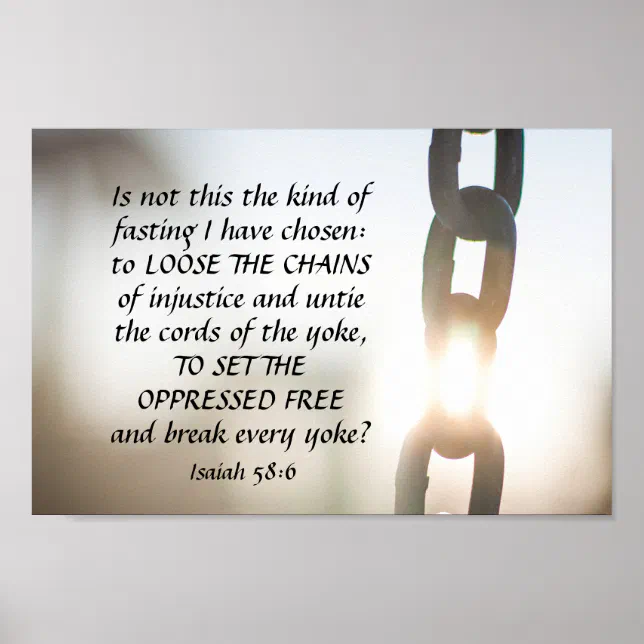
The Power of Fasting (Isaiah 58)
We each have an opportunity to fast at least once a month, but how often do we ponder why we fast and what that fast should look like?
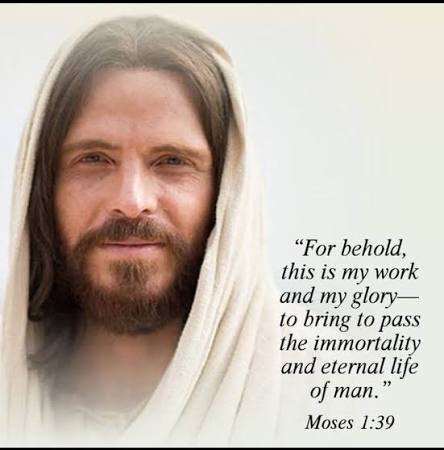
My Work and My Glory (Isaiah 43)
Did you know that Moses 1:39 is the most quoted scripture in General Conference?
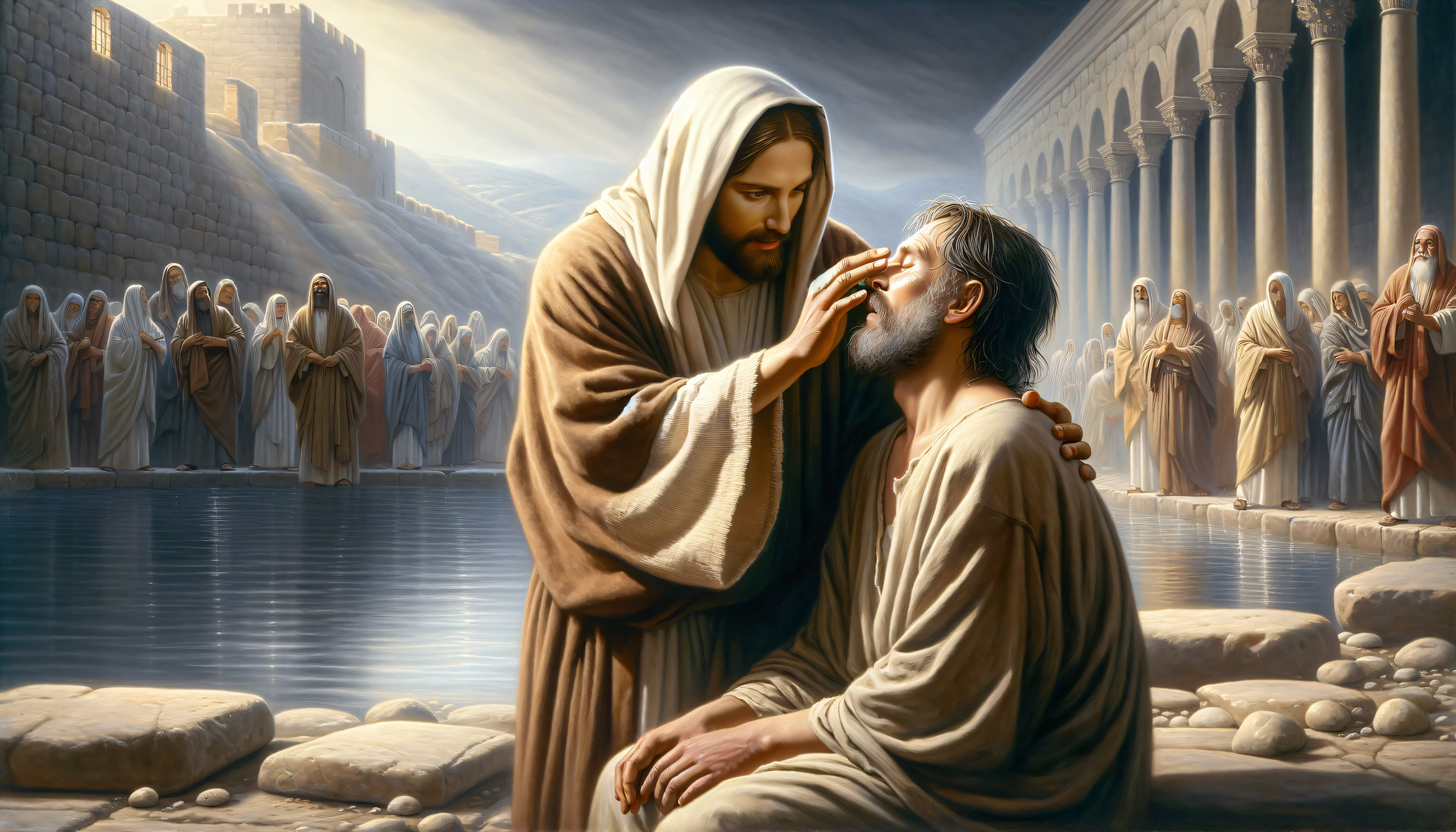
A Wonderful Savior (Isaiah 42)
Isaiah 42:3 — A bruised reed shall he not break, and the smoking flax shall he not quench: he shall bring forth judgment unto truth.