
Blog › Come, Follow Me Daily Inspiration
March 9, 2026
The footnotes mention the coat given to Joseph may not have been multi colored, but that the Hebrew word suggests a coat with long sleeves.
Genesis 37
The footnotes mention the coat given to Joseph may not have been multi colored, but that the Hebrew word suggests a coat with long sleeves. If we look at the coats and coverings given so far in the Old Testament, and the tradition of birthright, it is reasonable to assume this coat is a garment that represents birthright and the covenants of God.
It's interesting that the birthright, typically for the firstborn, was given to another for the past three generations. Jesus taught "the first shall be last and the last shall be first", meaning that the Abrahamic covenant and eternal blessings associated will go to those who choose to make and keep their covenants by righteously exercising their agency, not be inherently tied to ones lineage. God can raise up rocks unto Abraham.
It is reasonable to assume that Joseph sought a covenant relationship with God, hence Israel's favor.
In the Book of Mormon, we also read about the grafting of olive branches, and how the gentiles will minister to the Jews and bring them back the blessings of the covenant. It's neat that the Ishmeelites (descendants of Ishmael, Abraham and Hagar) carried Joseph into Egypt. The covenant following Israelite was grafted into Egypt by Abraham's other descendants to bless other nations of the world so that the other nations could then bless Abraham's seed.
Two other brief items I noticed in this chapter - Judah sold Joseph for 20 pieces of silver. The name Judah means "praise, or thanksgiving to God". Judas, who sold Christ for 30 pieces of silver, also means "praise, or thanksgiving to God", which makes sense because it's almost the same name. The major difference is the lack of 'H' in the name Judas. And 'H' in Hebrew can signify God's presence (just like the changing of names for Abram and Sarai to include 'H', to include God).
Rueben, the firstborn of Israel, knew it was wrong to kill Joseph. He acted to stop it, but because of peer pressure and wanting to fit in (or perhaps out of fear and wanting to be safe) he didn't stand up fully for what was right. Instead, he came up with a plan that enabled him to be "cool" while trying to secretly do what's right. This never works out as intended. We are commanded to let our light shine that others may see our good works and glorify Father, not hide it under a bushel.
The ancient birthright meant that the firstborn received a double portion of inheritance. However, the reason for the double portion of inheritance wasn't so they could be more wealthy and simply have more as a favorite. It was because they also inherited the responsibility to take care of the family. The firstborn was chosen, but chosen to bless others. The birthright is a symbol of the Abrahamic covenant. The people chosen, but chosen to bless and serve others.
Joseph as a type of Christ.
More like this
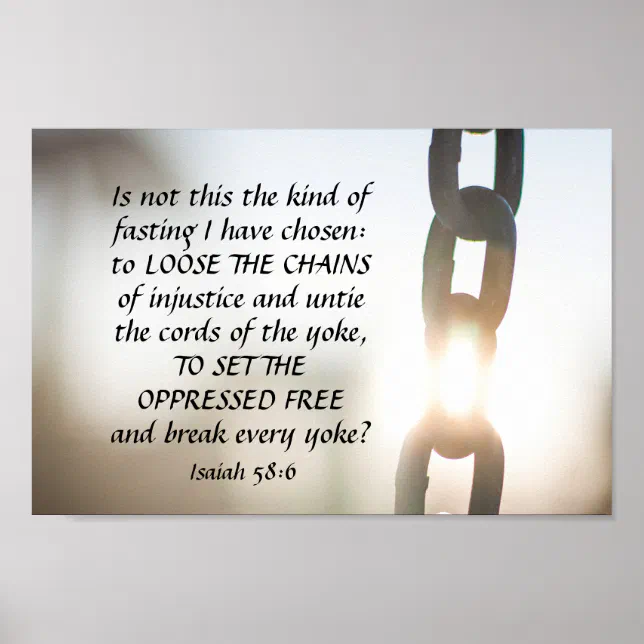
The Power of Fasting (Isaiah 58)
We each have an opportunity to fast at least once a month, but how often do we ponder why we fast and what that fast should look like?
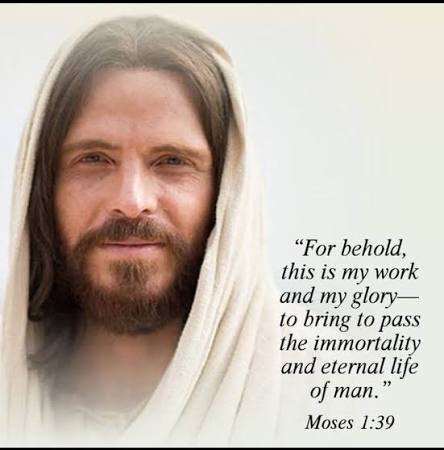
My Work and My Glory (Isaiah 43)
Did you know that Moses 1:39 is the most quoted scripture in General Conference?
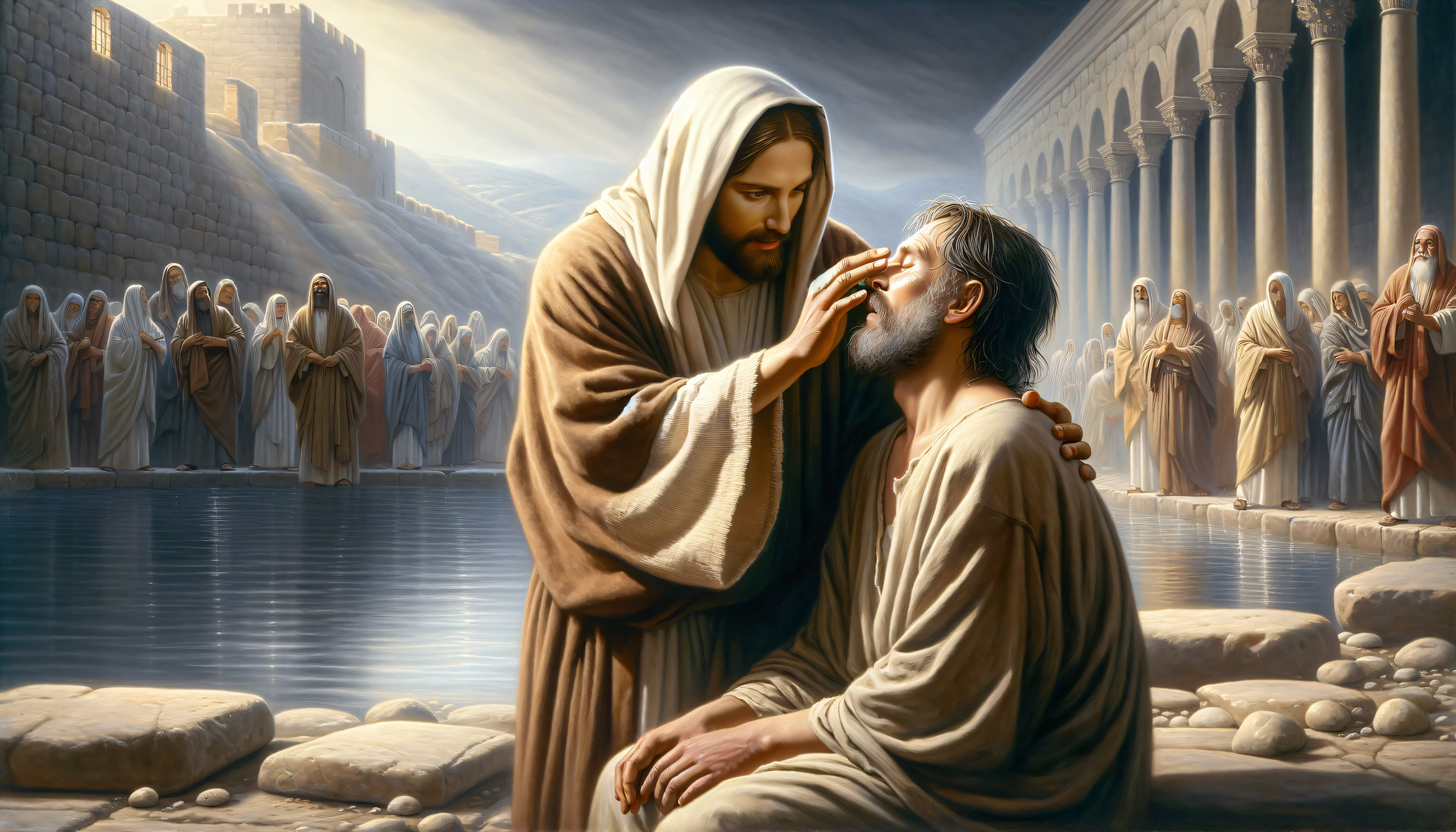
A Wonderful Savior (Isaiah 42)
Isaiah 42:3 — A bruised reed shall he not break, and the smoking flax shall he not quench: he shall bring forth judgment unto truth.