
Blog › Come, Follow Me Daily Inspiration
June 16, 2026
Saul began to hate David because he was jealous that David was getting more praise than him.
Saul began to hate David because he was jealous that David was getting more praise than him. Jealousy is a form of idolatry. When we focus on what others have versus what we have, then we are not focused on our Savior and His teachings. Jealousy also breeds contention which "is not of [God] but is of the devil, who is the father of contention, and he stirreth up the hearts of men to content with anger one with another". Jealousy is also, at its core, pride - the notion that we deserve what others have.
Saul's pride and jealousy moved him to try killing David multiple times. David's reaction to these events is an example of how we should act when others are unkind to us. The scriptures say that "David behaved himself wisely and the Lord was with him in all his ways". It says this a few times. When people mistreat us, what does it mean to behave wisely? Wisdom requires thought and guidance from the Lord. It means to not react immediately, but to ponder the best actions and to trust in the teachings of our Savior, knowing that a brash response may be the natural man reaction, but our Lord teaches a higher path.
It is more difficult to react with wisdom and charity, it takes more effort, but the ultimate result is the shaping of our being into what God desires us to be.
As I read this chapter, and how Saul sent David to battle hoping he'd die, I can't help but think how David does the same thing to Uriah in the near future. It's sad because he knows what it's like to be in Uriah's position. It can't have felt great. We have all had people be unkind to us. We know how it feels. We know it is hurtful. Are we ever like David, knowing the pain unkindness has caused us but meting the same to others?
Our Savior knows how it feels. Not only because of how his own people treated Him, but because He felt each of our pain. How do we show our gratitude to Him?
Matthew 25
37 Then shall the righteous answer him, saying, Lord, when saw we thee an hungred, and fed thee? or thirsty, and gave thee drink?
38 When saw we thee a stranger, and took thee in? or naked, and clothed thee?
39 Or when saw we thee sick, or in prison, and came unto thee?
40 And the King shall answer and say unto them, Verily I say unto you, Inasmuch as ye have done it unto one of the least of these my brethren, ye have done it unto me.
This is not doctrine, but I believe it's reasonably true to one degree or another. By the deceleration above in Matthew, when we help someone, we are helping our Savior. Perhaps the pain we alleviate is an ounce of pain our Redeemer did not have to endure on top of everything else in the Garden. However, if we cause someone pain, is that not pain He too felt? We are not perfect, but as we strive to be perfect, as we strive to treat others as Christ would, or as we would treat our Savior, we will become of one heart and one mind, and Zion will be built and the Christ will reign, and every knee will bow and every tongue confess that He is the king.
More like this
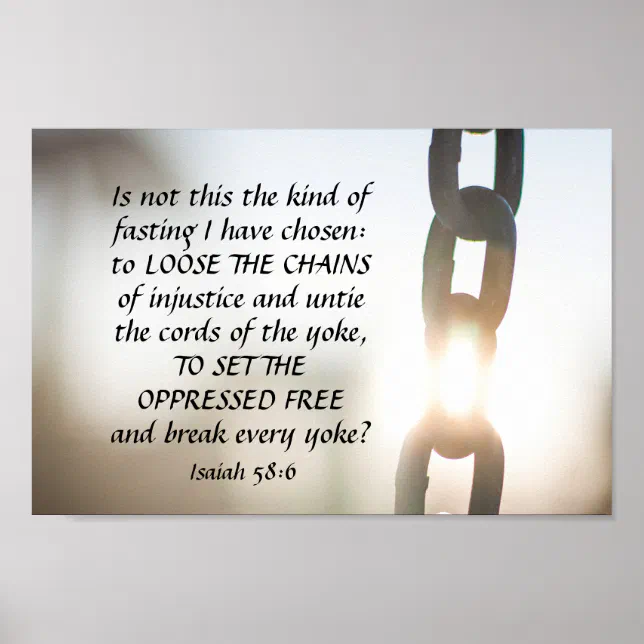
The Power of Fasting (Isaiah 58)
We each have an opportunity to fast at least once a month, but how often do we ponder why we fast and what that fast should look like?
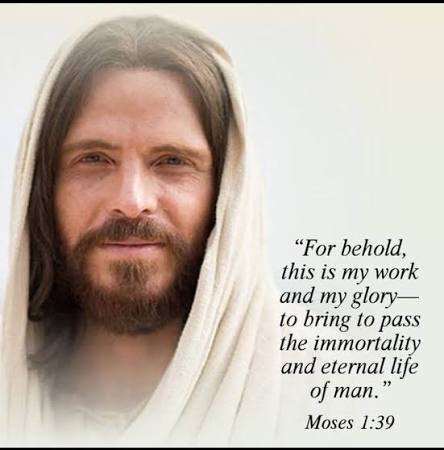
My Work and My Glory (Isaiah 43)
Did you know that Moses 1:39 is the most quoted scripture in General Conference?
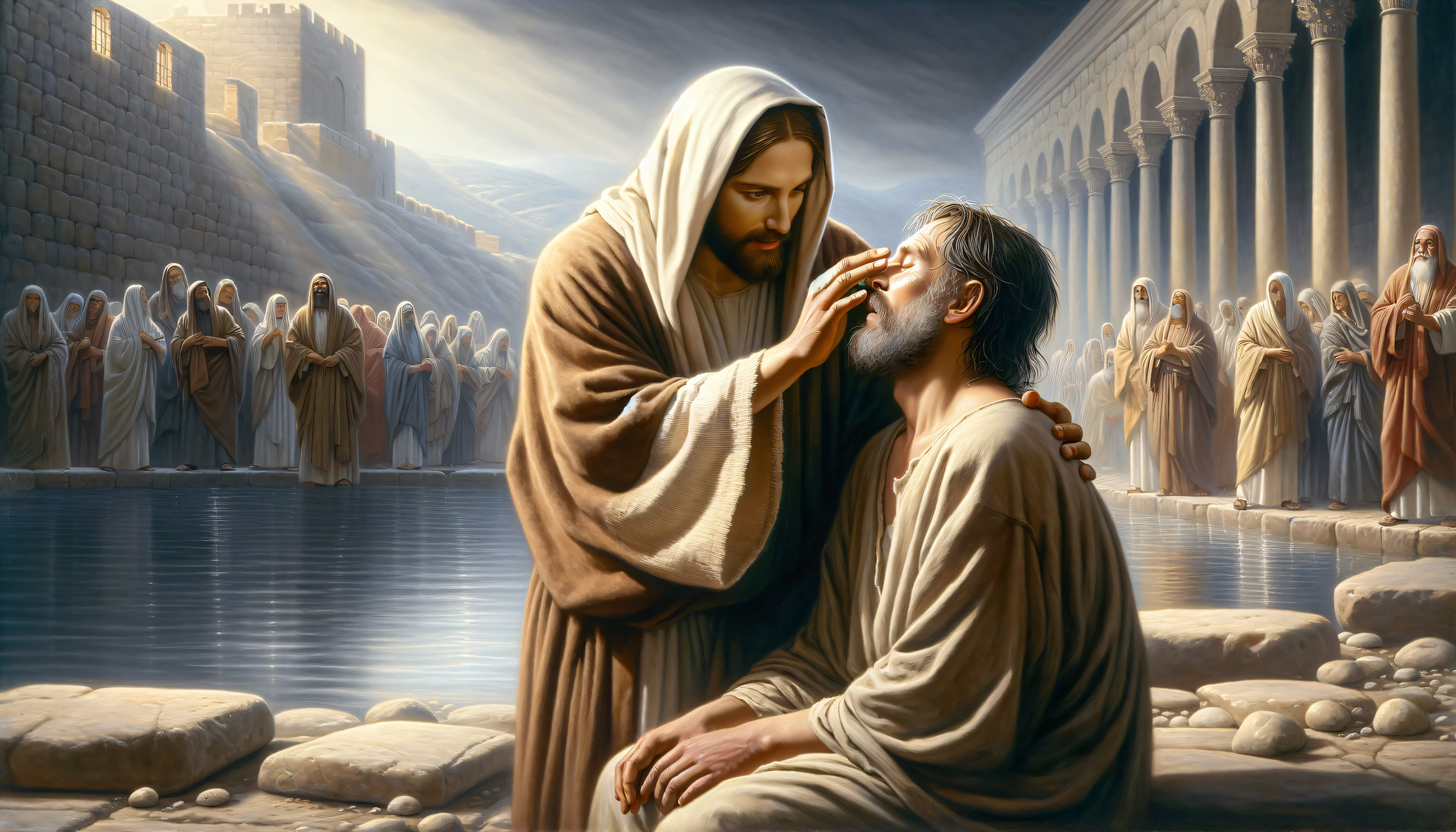
A Wonderful Savior (Isaiah 42)
Isaiah 42:3 — A bruised reed shall he not break, and the smoking flax shall he not quench: he shall bring forth judgment unto truth.