
Blog › Come, Follow Me Daily Inspiration
July 8, 2026
First, when Naaman sends a letter to the king of Israel (Jehoram at the time, who was a wicked king), the king 1) did not think to consider the prophet, and 2) assumed intent when he said "see how he seeketh a quarrel against me" (verse 7).
2 Kings 5 tells the famous story of Naaman. Two things stood out to me while reading this morning.
First, when Naaman sends a letter to the king of Israel (Jehoram at the time, who was a wicked king), the king 1) did not think to consider the prophet, and 2) assumed intent when he said "see how he seeketh a quarrel against me" (verse 7). Satan wants us to assume ill intent of others. It is one of the core methods used by the father of contention to turn people against each other, and even to break down individuals as they let imagined offense in the actions of others. He did the with Cain and it has remained a primary tool in his arsenal throughout time. Also, the king did not think of the prophet because he was not living righteously. The word, truth, and power of God are quickly forgotten when we do not strive daily to follow Him.
Second, the symbolism and significance of Naaman and the Jordan River. This is more a rush of different thoughts related to this instance - many threads rather than the full tapestry for now. First thread -the significance of Jordan. This is the river that God, multiple times, has used to demonstrate His power. He parted the river for Joshua and the children of Israel to enter the promised land. He parted the river for Elijah and again for Elisha. He healed Naaman. And ultimately, Christ was baptized in the Jordan River. Second thread - the significance of the 7 times Naaman washed. 7 means many things and is one of the most significant symbols in scripture. It represents completeness - something whole, finished, or perfected. It ultimately represents God's work being finished (and entire study on the Sabbath and it's significance, including the Sabbatical dispensation could fit here). It's also related to oaths and covenants through its ancient Hebrew root word. This makes sense because God's work and glory is to bring to pass the immortality and eternal life of man (Moses 1:39). When is His work completed? When the immortality and eternal life of man is a reality. Immortality can be checked off because of Christ's resurrection, but what about eternal life? What is eternal life? Eternal life is life with God, like God. It is to know the only true God and Jesus Christ, whom He sent (John 17:3). What does it mean to "know" God? The Hebrew for "know" is "yada", which signifies more than just knowledge, it's a deep, intimate, covenant relationship. Therefore, we can see the relationship of the symbol of 7 to the completion of God's work through His children entering into covenant relationships with Him and Jehovah. This makes the work we do in the temple and as missionaries stand out, as they are quite literally God's work and we are helping complete it. 7 is also all throughout the temple. The last thread, especially as we focus on covenants and completeness, is simple - Naaman's washing in the Jordan is symbolic of baptism. He is made clean just as we are cleansed from sin through baptism because of the Atonement of Christ. Additionally, in that day lepers were not permitted in public, no one wanted to be near them. Now that he was cleansed, he would be allowed to be near others, just as Christ's cleansing of us allows us to again enter the presence of God. And finally, last part of the last thread, is that as a symbol of baptism, it is also a symbol of entering the covenant path and relationship, working towards spiritual perfection and the completion of God's work, thus tying it back to 7.
"Are not Abana and Pharpar, rivers of Damascus, better than all the waters of Israel? may I not wash in them, and be clean?" (2 Kings 5:12). Christ is the living water. I think a fitting title would be Water of Israel. No, the other waters are not better. "There is no rock like our God" (Hannah - 1 Samuel 2:2).
More like this
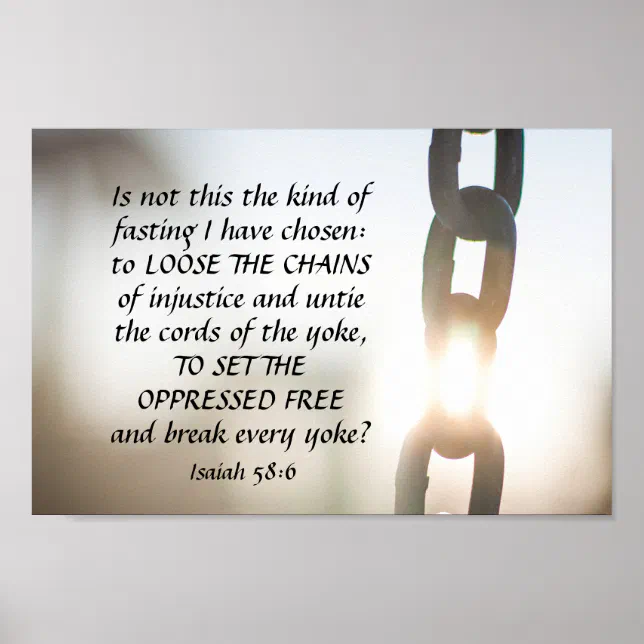
The Power of Fasting (Isaiah 58)
We each have an opportunity to fast at least once a month, but how often do we ponder why we fast and what that fast should look like?
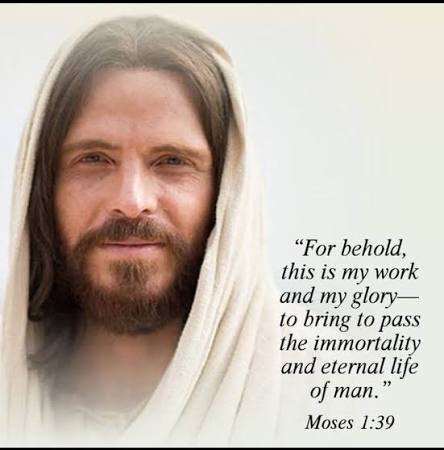
My Work and My Glory (Isaiah 43)
Did you know that Moses 1:39 is the most quoted scripture in General Conference?
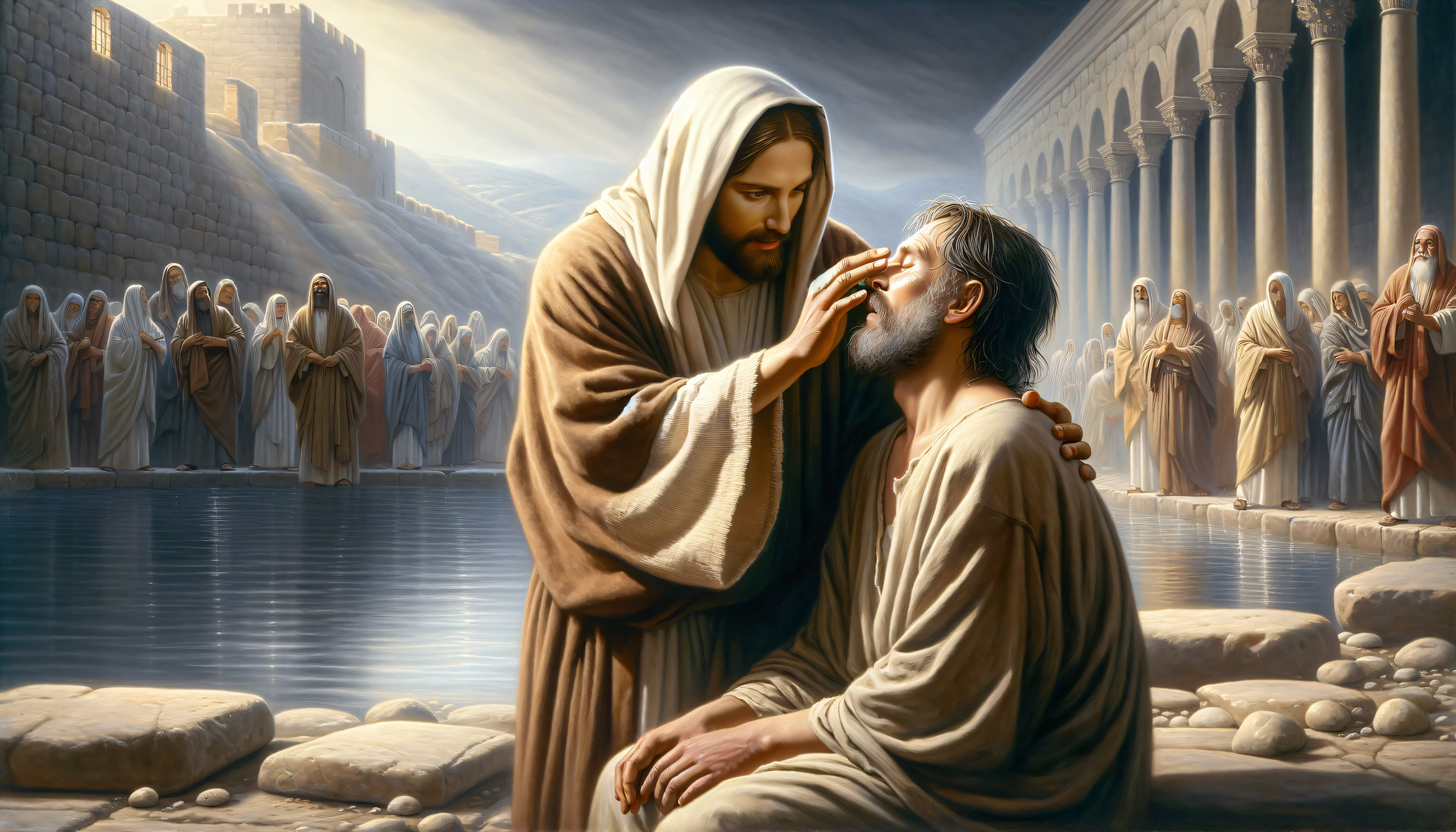
A Wonderful Savior (Isaiah 42)
Isaiah 42:3 — A bruised reed shall he not break, and the smoking flax shall he not quench: he shall bring forth judgment unto truth.