
Blog › Come, Follow Me Daily Inspiration
February 24, 2026
In Genesis 20, God tells Abimelech "I know that thou didst this in the integrity of thy heart; for I also withheld thee from sinning against me: therefore suffered I thee not to touch her."
In Genesis 20, God tells Abimelech "I know that thou didst this in the integrity of thy heart; for I also withheld thee from sinning against me: therefore suffered I thee not to touch her."
The text implies that, although Abraham assumed otherwise and used his wife-sister ploy for protection, Abimelech was a righteous man. In the referenced verse we see The Lord (Jesus Christ) giving promptings and protection to a righteous person to help them avoid making a mistake. It's a subtle yet impressive truth quickly glossed over in verse 6 - the Holy Ghost will guide us, even if, and perhaps especially when, we don't have all the information. The Holy Ghost is a magnificent gift, a brother constantly looking out for our good, and we have to strive to keep Him near. President Nelson said it will be impossible to survive spiritually in these days without the constant guidance of the Holy Ghost. What can we do to more fully qualify for His constant companionship?
An additional observation in this chapter - Abraham is referred to as a covering for his wife, Sarah. Here we see again the same word that represents the garment, Christ, and His Atonement; signifying Abraham being a type of Christ and pointing us towards the Savior.
I had the opportunity to talk with a Muslim coworker today about Abraham, Hagar, and Ishmael. It was a really neat opportunity and the Spirit was felt as we talked about our admiration for this amazing prophet, father, and follower of God and the impact his righteousness has had on the world.
It's also so tender to know that the covenant relationship Abraham and Isaac entered into with Jehovah qualifies the descendants of Isaac to bless all of the children of God _including_ the children of Ishmael. How tender for Abraham to know that one lineage was established to proclaim the gospel to his other lineage.
I've really enjoyed learning about Abraham and Sarah. I learned that receiving a new name in ancient times often accompanied rituals such as coronations. Abram and Sarai received their new names when they entered into a covenant relationship with God and were anointed king and queen into The Most High. Additionally, the "H" added to each of their names, the fifth letter of the Hebrew alphabet, means "presence of God". The covenants they made, and they new names they were given, are symbolic of the effects of the Atonement of Christ. _This_ is the Old Testament pointing to our Savior. It also illustrated how, in a very real way, important symbols and covenants are. It also symbolizes change, becoming new as we yoke ourselves with our Savior. We leave behind our old self, the natural man or woman we enter this world as, and realize our potential as joint heirs with Christ and offspring of the race of Gods.
Additionally, as I learned about the symbolism and importance of these name changes, I thought about Hagar and wondered if the H in her name was the same letter. It is. And when we read about how God was with Hagar, comforted her, and build a great people from her, it's apparent how appropriate her name is. Again, and even more beautiful, is the blessings that God will share with her descendants through Isaac's lineage and call to bless all the families of the earth. God remembers His promises, and I look forward to seeing the joy of Abraham when his children are blessed because of his other children. And imagining how Abraham will feel makes me think of how our father feels when we bless His children. "In as much as ye have done it into the least of these my brethren, ye have done it into me."
God's plan is so beautiful.
One other thing I really enjoy about Abraham is the example that we have of Sarah, and ultimately, the two of them together setting an example of a celestial marriage. "Sar" means princess and/or divinity - there was something very apparent about her that signified her as a holy woman, and people knew it (probably because of how she conducted herself, the presence of the Spirit, and her knowledge that she was a daughter of God - I have to assume she carried herself as royalty because she knew that to be the truth). Oftentimes, kings would seek such women to marry as it elevated their own status and represented God blessing their rule. When Abraham and Sarah went to Egypt, God didn't tell them to pretend they were only siblings because she was simply aesthetically beautiful, that's just what the English text says. It's because of her status as a holy woman and what that would mean for Abraham to be married to her. It would be a political threat to Pharaoh's rule.
Just as marrying such a woman elevated a king's status, Sarah elevated Abraham. When two, righteous people marry, enter into covenant relationship with God, and keep their covenants. They elevate each other, make each other better.
When we dig into Sarah's story, she is truly amazing.
In a world where history is male-dominated and feminism is male-demeaning, Sarah stands as a stark example of a daughter of Heavenly Father who understand the importance and purpose of family,changed the world, and forwarded the Plan of Redemption and Happiness.
More like this
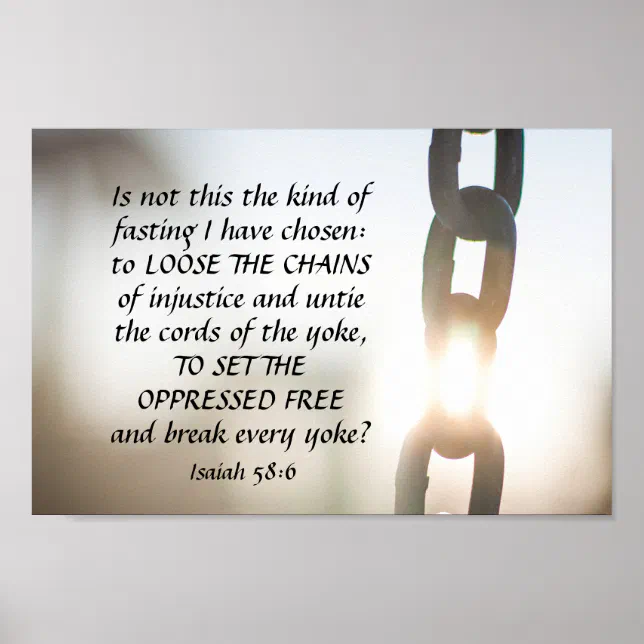
The Power of Fasting (Isaiah 58)
We each have an opportunity to fast at least once a month, but how often do we ponder why we fast and what that fast should look like?
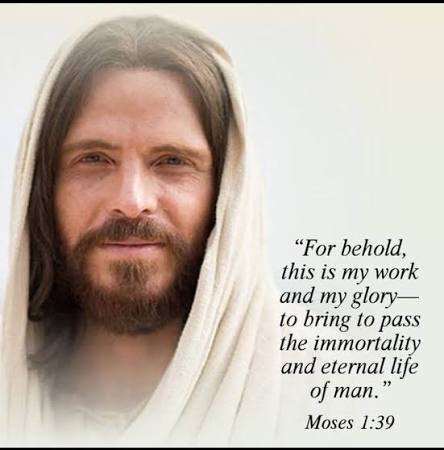
My Work and My Glory (Isaiah 43)
Did you know that Moses 1:39 is the most quoted scripture in General Conference?
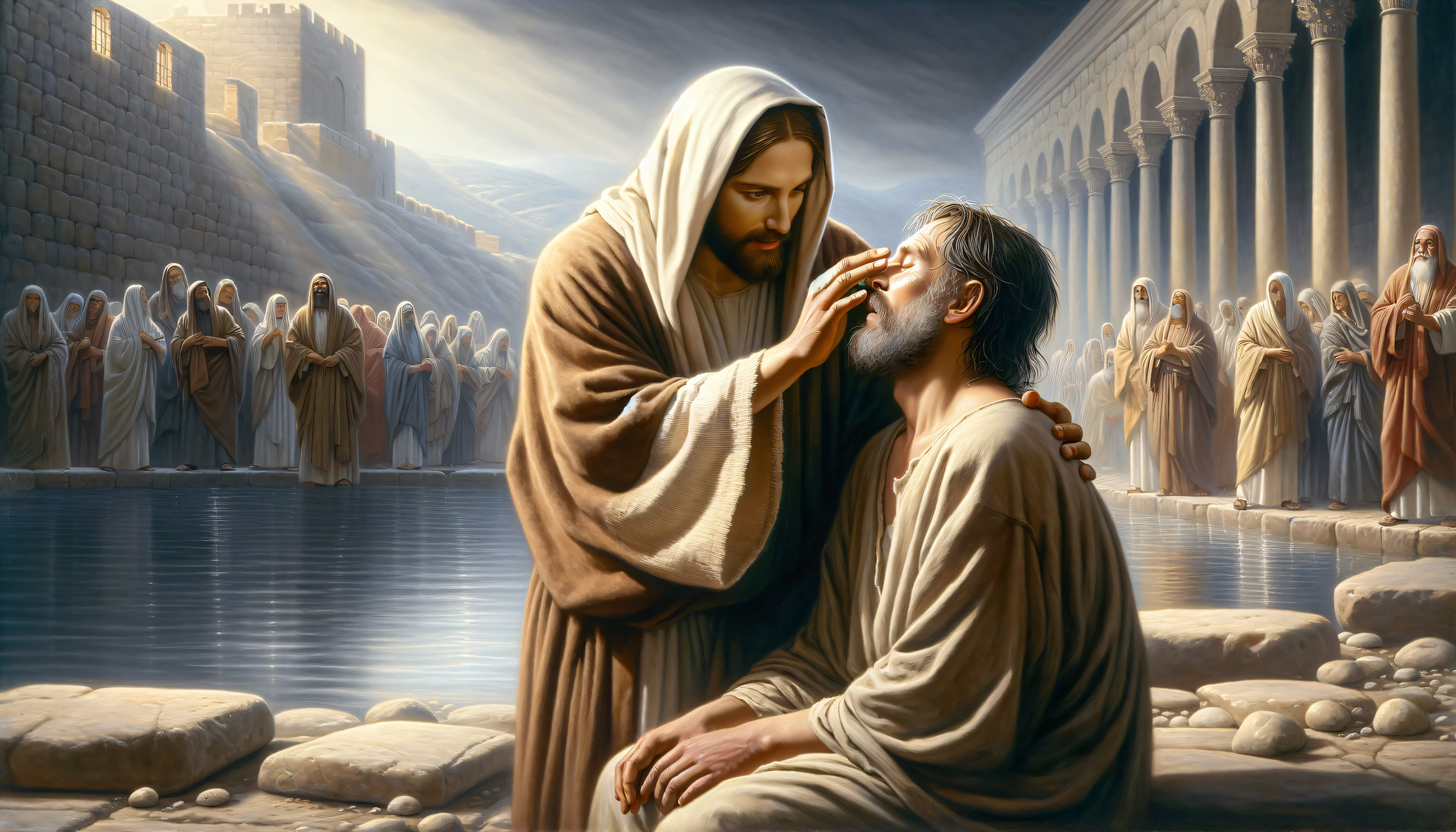
A Wonderful Savior (Isaiah 42)
Isaiah 42:3 — A bruised reed shall he not break, and the smoking flax shall he not quench: he shall bring forth judgment unto truth.